
RPA – Automate Repetitive Processes

Transform manual and repetitive activities into automated processes using software robots and reduce the time spent on routine operations.

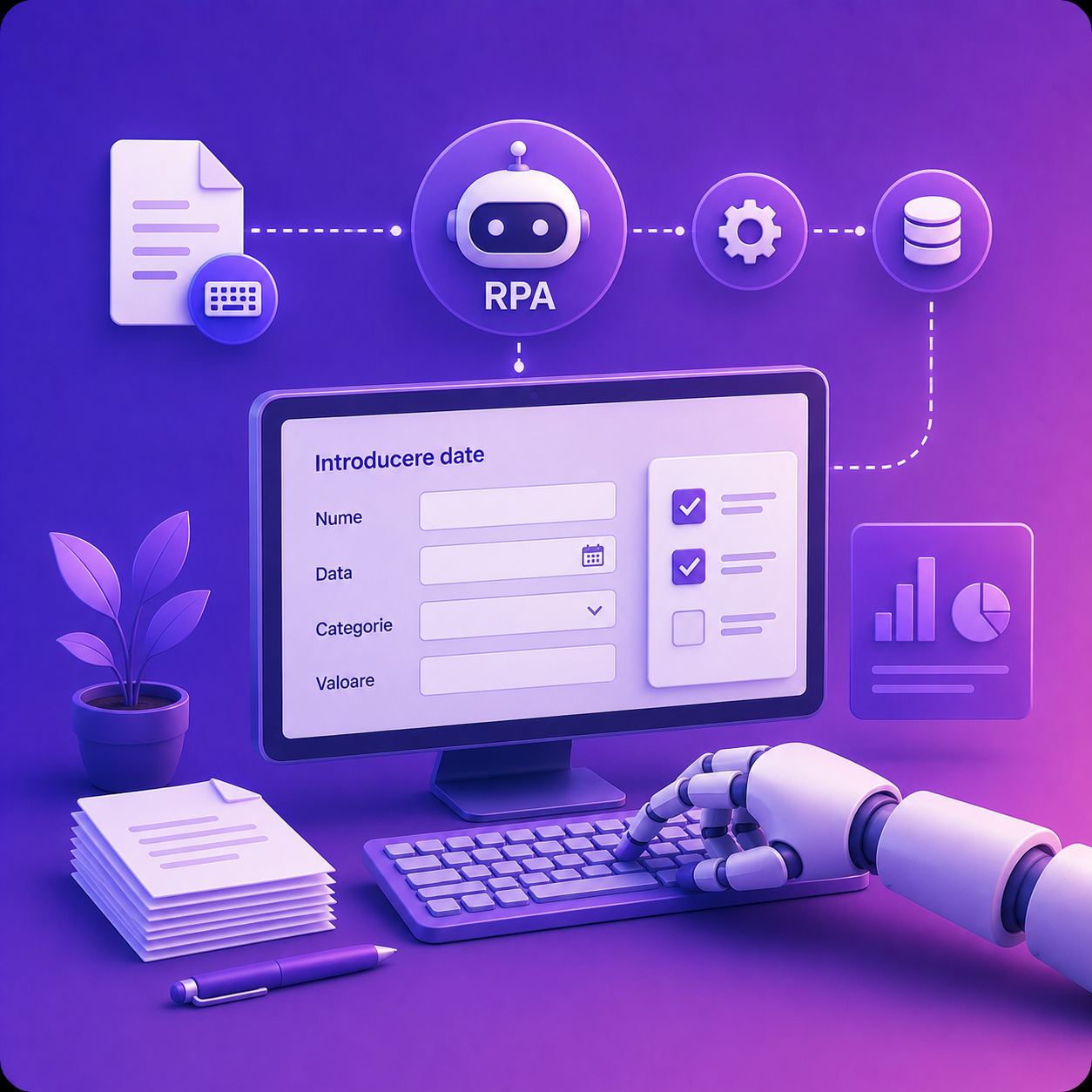
Automate Repetitive Activities

Many business processes involve repetitive operations such as data entry, transferring information between applications, checking documents, or updating systems.

RPA solutions enable these activities to be automated through software robots that interact with existing applications and follow the business rules defined for each process.

This allows teams to reduce the time spent on repetitive tasks and focus on activities that require analysis, decision-making, and human intervention.

What Can You Automate with RPA

Data Entry & Processing

Automate repetitive operations involving the entry, copying, and updating of information between applications.

Document Processing

Automate repetitive steps involved in collecting, organizing, and processing information from documents.

Repetitive Business Workflows

Transform sequences of manual operations into processes that are executed automatically.

Information Transfer Between Systems

Enable software robots to retrieve information from one application and use it in other systems involved in the process.

Rule-Based Operations

Automate activities that follow clearly defined steps and business rules.

Integration with Existing Applications

Use software robots to connect processes that involve different applications and systems.

Details

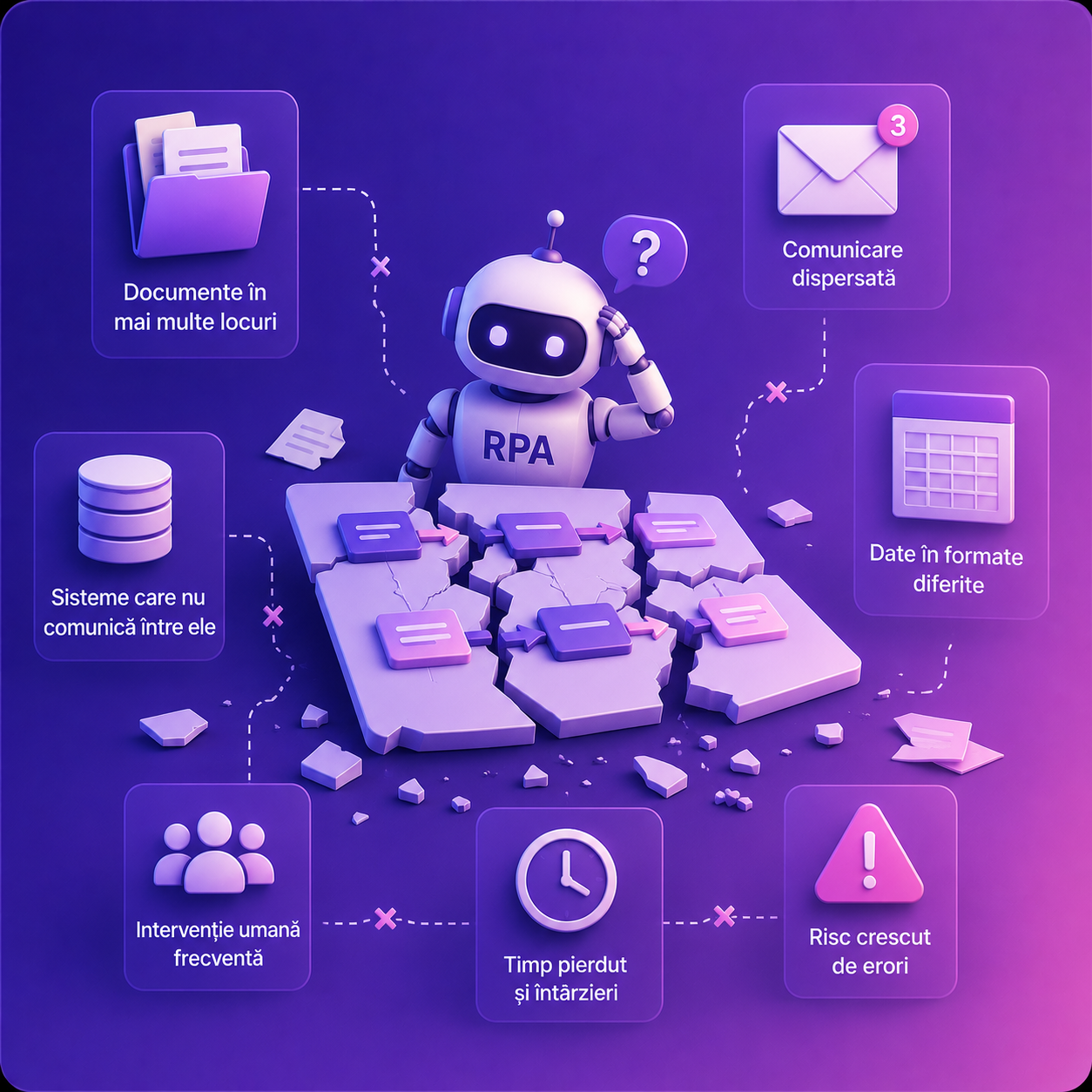
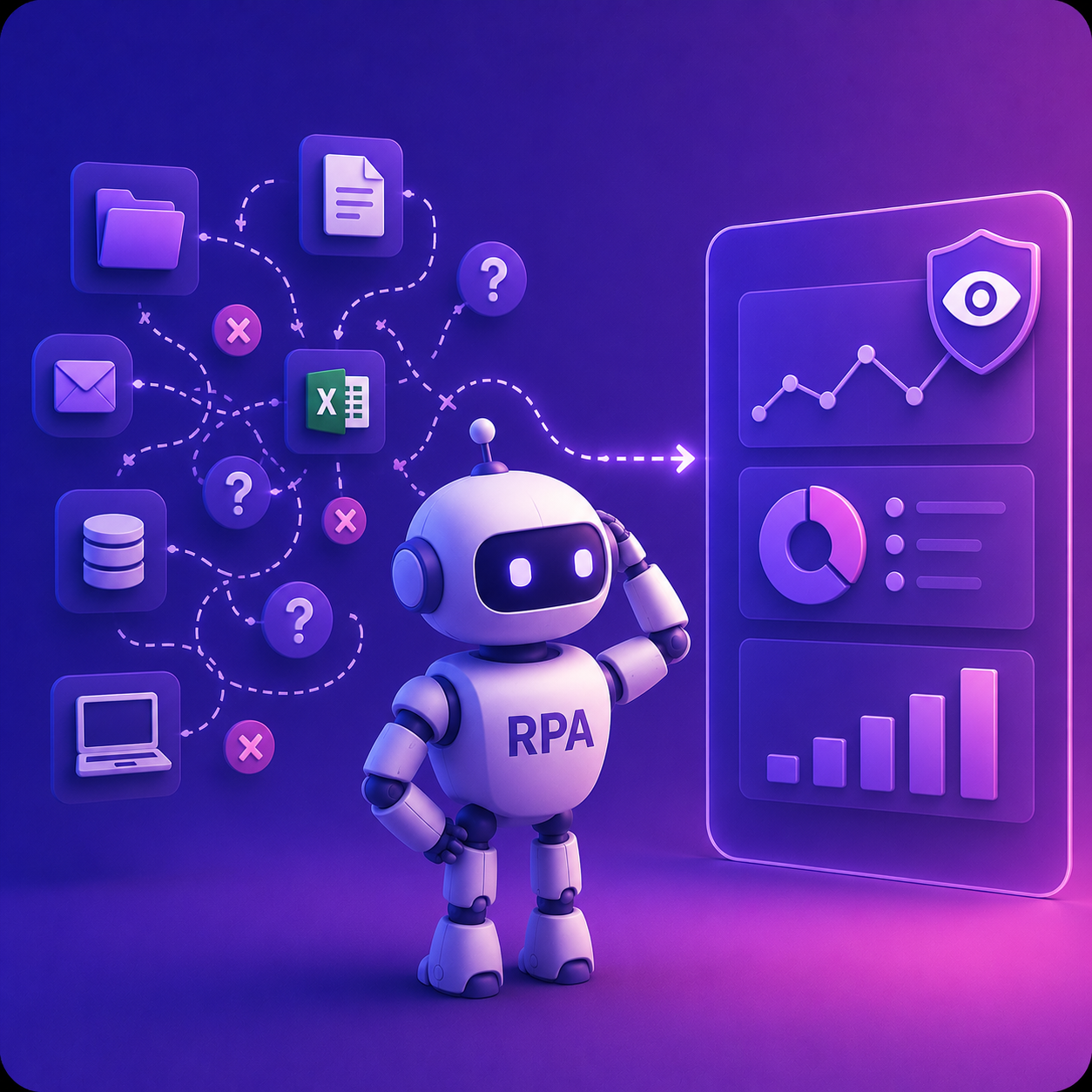
Reduce Manual Work Between Applications

existence of processes where employees manually transfer information between multiple applications.

A software robot can perform these repetitive operations by interacting with existing systems according to the rules defined for the process. This allows RPA to reduce the volume of manual work without requiring every process to be supported by a complex application integration.

Use Cases

RPA can be used for repetitive and rule-based processes where users frequently perform the same operations in one or more applications.

Examples of Use

  • Automated data entry
  • Information transfer between applications
  • Document processing
  • Updating information in systems
  • Financial and accounting process automation
  • Administrative process automation
  • Processing information from files and documents
  • Report generation and processing
  • HR process automation
  • Logistics process automation
  • Execution of repetitive, rule-based activities

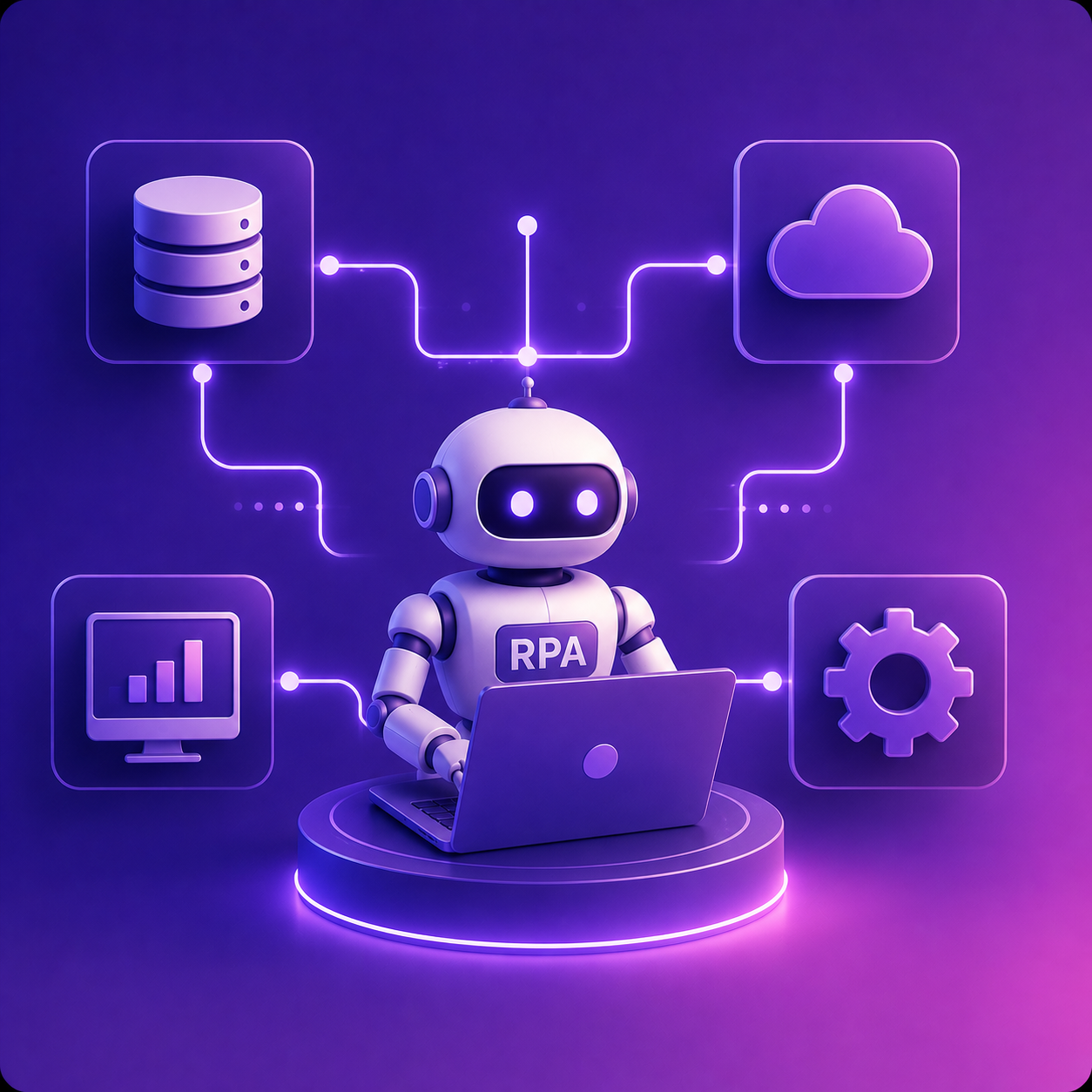
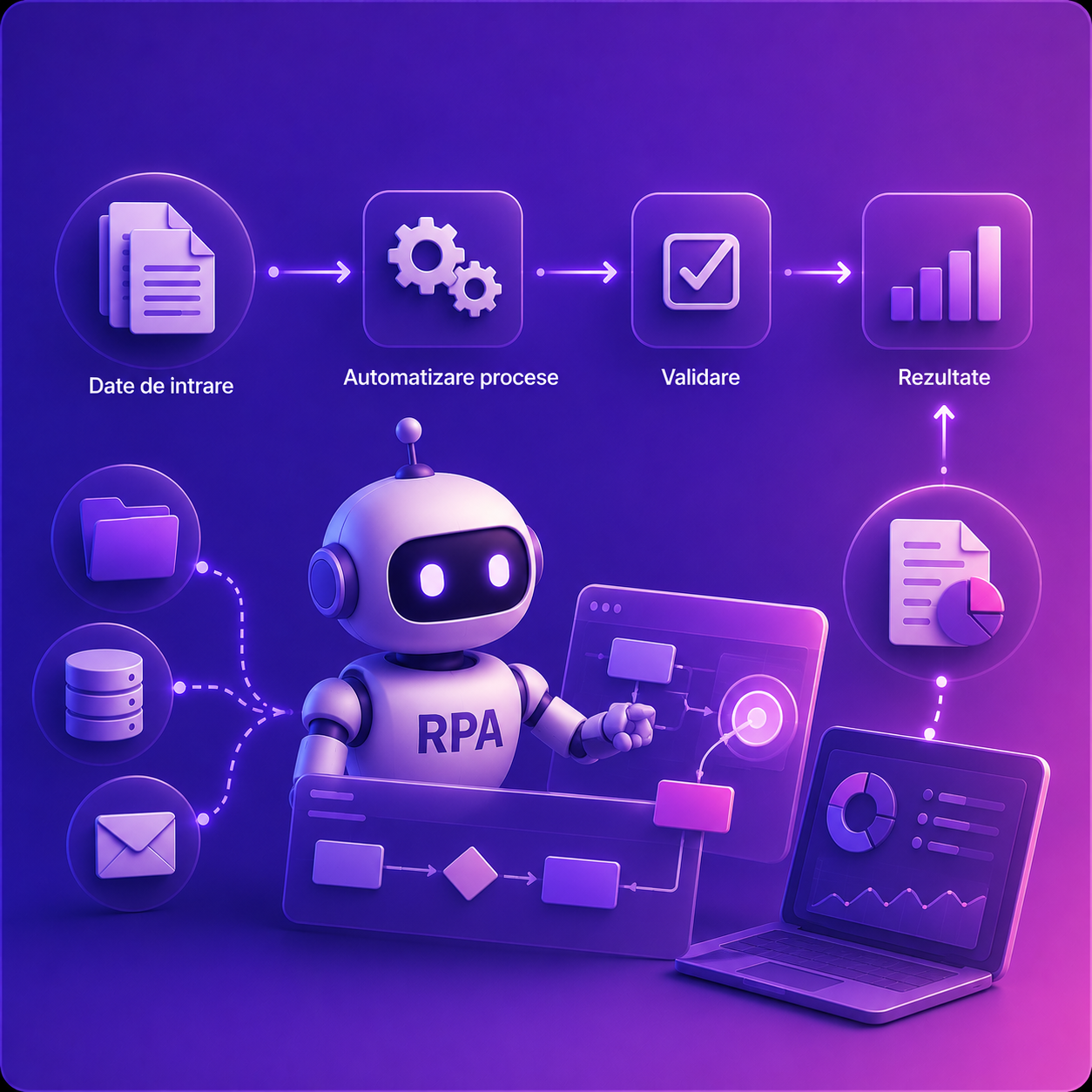
Connect Processes Without Replacing Existing Systems

RPA can be used to automate processes that involve applications already in use within the organization.

Software robots can interact with these systems and perform operations that were previously carried out manually by users. This approach allows organizations to automate processes without having to replace all the applications involved.

The goal is to reduce manual operations and create a more coherent workflow between existing systems.

Why RPA?

  • Automation of repetitive activities
  • Reduced manual data entry
  • Automated information transfer between applications
  • Automation of rule-based processes
  • Reduced time spent on routine operations
  • Use of existing applications and systems
  • Automated document processing
  • Faster and easier-to-manage processes
  • Scalable automation across multiple processes
  • Reduced reliance on manual operations
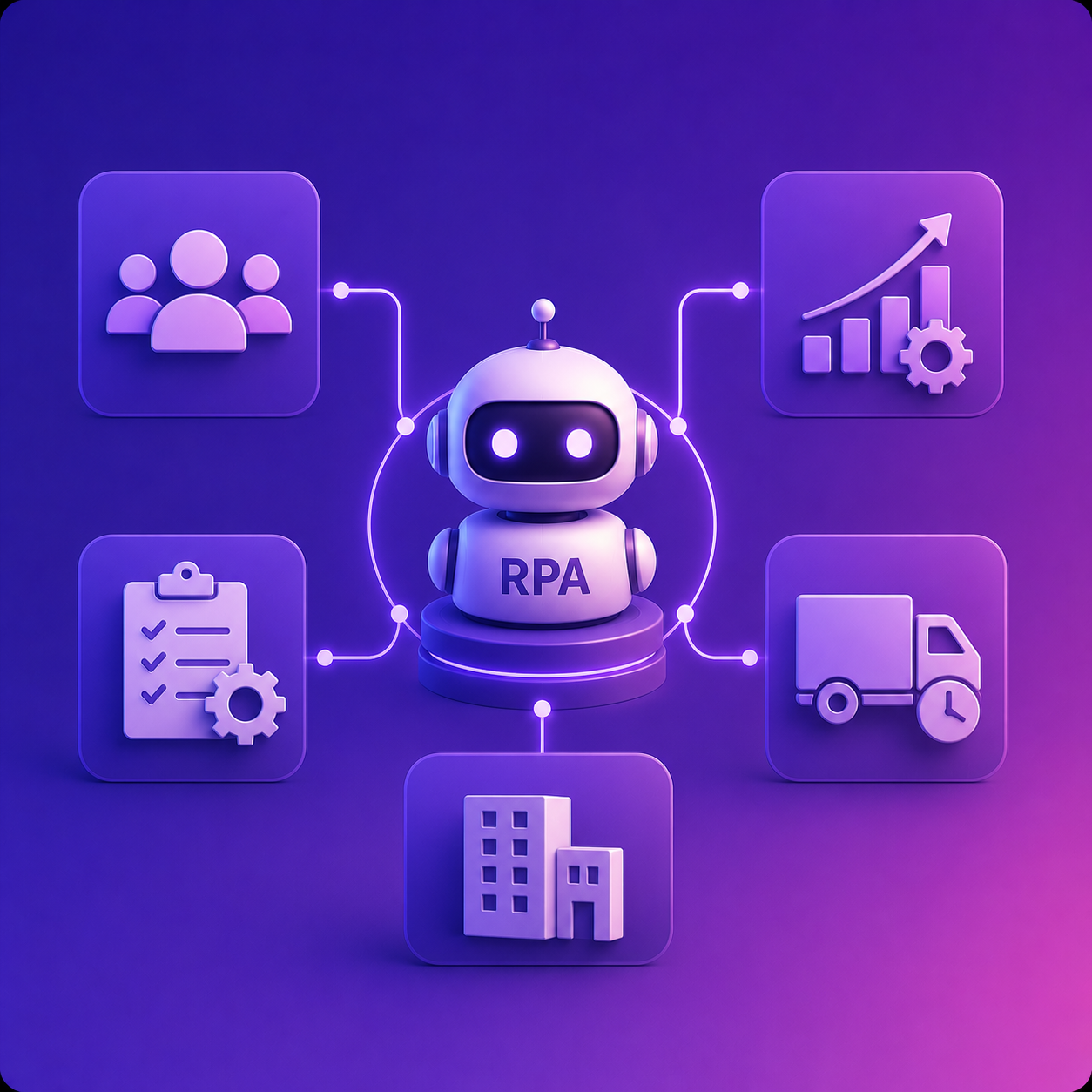
Automation Across Different Business Areas

Financial Services

Automate repetitive operations involving the processing and transfer of financial information.

Retail & E-commerce

Automate repetitive processes involving large volumes of information and operations across multiple systems.

Services & Operations

Reduce manual activities within administrative and operational processes.

Telecommunications

Support the automation of complex processes that require repetitive operations to be performed across different applications.

Frequently Asked Questions

Discover how RPA can reduce manual work, automate information transfer between applications, and transform repetitive activities into more efficient digital processes.

What is RPA?

RPA (Robotic Process Automation) is a technology that uses software robots to automate repetitive and rule-based activities performed within an organization’s applications and systems.

What types of activities can be automated?

RPA is particularly well suited for repetitive activities such as data entry and transfer, information updates, document processing, and rule-based operations.

Can RPA work with existing applications?

Yes. One of the main use cases for RPA is automating activities that involve applications and systems already used by the organization.

Do I need to replace existing applications to use RPA?

Not necessarily. Software robots can interact with existing applications to automate operations that were previously performed manually.

Which departments can use RPA?

RPA can be used for processes in finance and accounting, HR, operations, logistics, retail, services, and other areas where repetitive and rule-based activities are involved.

Can RPA automate processes involving multiple systems?

Yes. Software robots can perform operations across multiple applications and transfer the required information between different stages of a process.

Can RPA be combined with other CloudSoft solutions?

Depending on the project, RPA automation can be part of a broader digitalization solution and can be combined with applications, workflows, and integrations.

Can I see an RPA automation before implementation?

Yes. You can request a demo and discuss the process you want to automate to identify the steps that are suitable for RPA.